
Essential Back-to-School Safety Tips for Families
As a new school year approaches, families begin settling back into early mornings, weekday routines, and the rush that comes with school schedules. This is also an ideal time to revisit the safety habits that help keep children protected throughout their day. From the moment students leave home until they return in the afternoon, thoughtful planning and simple precautions can make each day safer and more predictable. Taking time to refresh these safety practices helps build confidence for kids and peace of mind for parents.
Preparing for a Safe Start to the Day
Heading to school safely is an important part of every child’s routine. Whether they walk, bike, ride the bus, or get a ride from a parent, establishing safe habits early can make a significant difference.
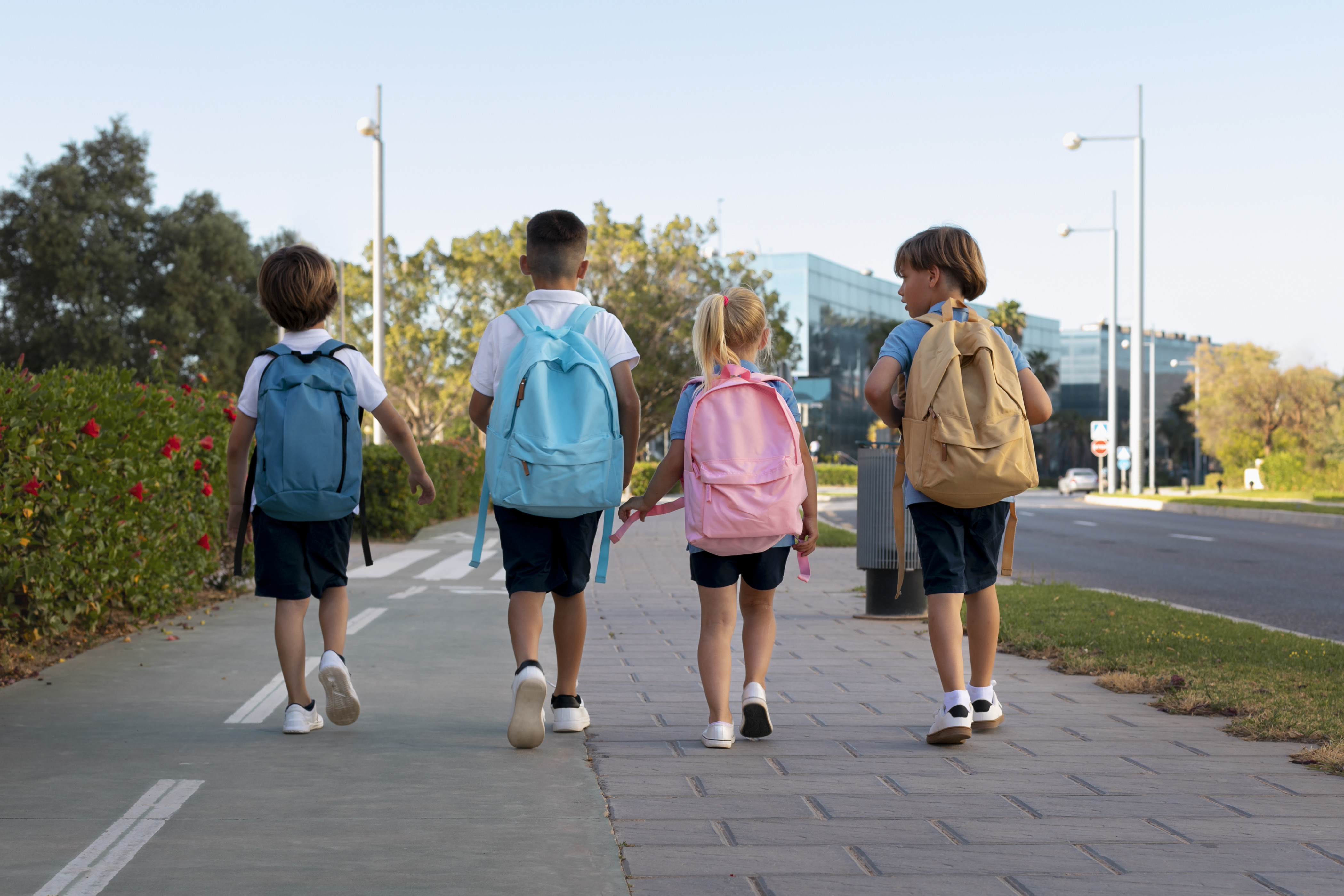
For children who walk, using sidewalks whenever they are available is the safest approach. Crossing only at intersections or designated crosswalks can reduce unnecessary risks. It is also helpful for students to look both ways carefully and make eye contact with nearby drivers before stepping into the street. Walking with friends or siblings can add another layer of safety and make the morning trip feel more comfortable.
Students who bike to school should always wear a helmet that fits properly. Riding on the right side of the road and moving in the same direction as vehicles is essential for visibility and safety. Children should fully stop and scan for traffic before crossing any street. Families can also plan routes that avoid busy roads to create a calmer and safer ride.
Reviewing bus stop safety with students is equally important. Children should stand several feet back from the curb until the bus fully comes to a stop. They should never cross directly in front of or behind the bus without ensuring the driver sees them and signals that it is safe to proceed. These small precautions can help reduce the chance of accidents during the busy morning routine.
Parents who drive their children should follow school drop-off procedures closely. Reducing speed in school zones, avoiding distractions, and never passing a bus that is picking up or dropping off students are key steps for creating a safe environment for everyone.
For families with teen drivers, discussing safe driving expectations can help reinforce good habits. Conversations about seatbelt use, maintaining safe speeds, limiting passengers, and avoiding phone use while driving can help support responsible decision-making behind the wheel.
Building Healthy and Safe Routines Throughout the School Day
Once students arrive at school, daily habits play a major role in their overall safety and well-being. Reviewing emergency information with children helps them feel prepared. Students should know their full name, home address, and at least one parent or guardian’s phone number. Some families choose to keep a small, laminated card in a backpack that lists emergency contacts and medical details, making this information easy to access when needed.
Health and hygiene habits also matter. Schools bring together large groups of students, which can increase the spread of germs. Teaching proper handwashing and reminding children not to share food or drinks helps protect students and their classmates.
Backpack safety is a topic that is often overlooked but is important for long-term comfort and health. A backpack should not exceed about 15% of a child’s total body weight. Using both shoulder straps helps distribute weight more evenly and reduces strain on the back and shoulders.
Bullying awareness is another essential component of school safety. Parents can support their children by discussing what bullying looks like and encouraging open communication if something feels wrong. Reminding students that they can turn to a trusted adult at school can empower them to speak up when necessary.
Labeling personal items is another area worth considering. Instead of writing a child’s full name on the outside of belongings, families might choose to use initials or place labels on the inside for added privacy.
Staying Safe During After-School Hours
Safety planning should continue even after students leave school for the day. Whether afternoons involve extracurricular activities, time at home, or walking home from school, having clear expectations can help keep children protected.
Setting up a daily check-in routine can be helpful. Children who arrive home without a parent present might call or send a message once they get inside safely. Families can also use locator apps or small tracking devices for extra reassurance during busy afternoons.
If a child will spend time home alone, discussing house rules beforehand is important. Families can review guidelines about locking doors, answering the phone, and allowing visitors inside. Children should also understand what to do if someone unexpected comes to the door.
Internet safety should remain part of ongoing family conversations. Children should avoid sharing personal information online, including their address, school name, or daily activities. Encouraging kids to talk openly about online interactions can help them recognize when something feels uncomfortable or unsafe.
Emergency planning is another meaningful area to review. Teaching children where to go during severe weather, how to exit during a fire, and who they can contact if a caregiver is unavailable helps build confidence during stressful situations. Practicing these scenarios at home can help make emergency responses feel more natural.
As families prepare for the school year ahead, reviewing safety routines can help children feel secure and supported both at school and at home. With a little planning and consistent conversation, back-to-school season becomes an opportunity to strengthen protective habits for the months ahead. If you have questions about family safety or need support with personal insurance planning, the team at DM Vasquez Insurance Agency is always available to help.