
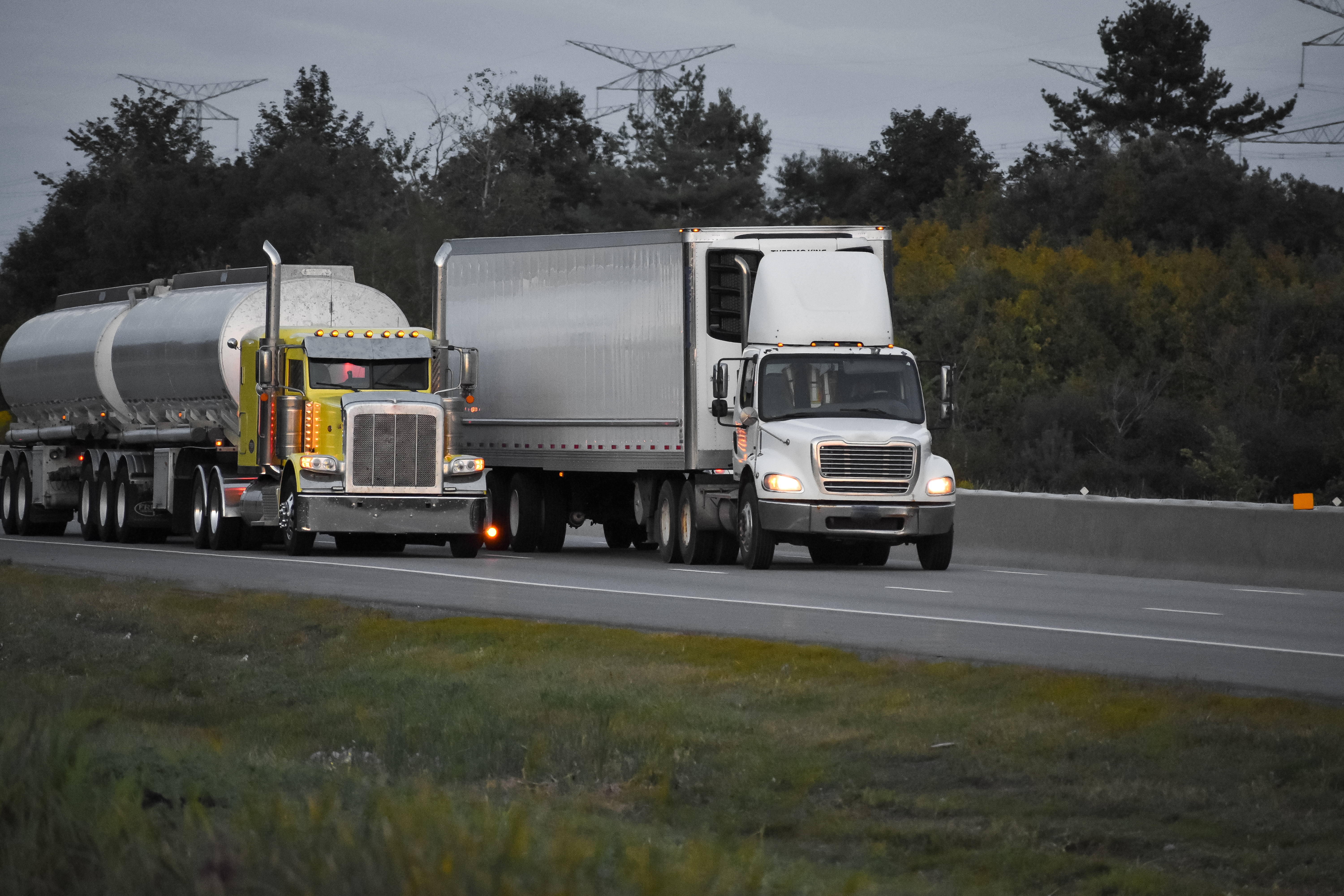
Commercial Driver Simulation Training Benefits
Simulation-based instruction has become a valuable resource for commercial fleets looking to strengthen safety practices, minimize risk, and control operational expenses. As fleet managers continue to search for effective ways to reduce collisions and improve driver performance, simulator technology provides a controlled and consistent training environment that supports safer, more confident drivers.
By recreating realistic hazards without exposing drivers to real-world danger, simulation training offers a practical and structured approach to developing essential driving skills. From new drivers to experienced professionals, commercial operators can use this training method to improve decision-making, reinforce safe habits, and support long-term risk management goals.
How Truck Driving Simulators Work
Modern simulators are designed to imitate life inside a commercial truck cab as closely as possible. Wide display screens, immersive audio features, and responsive steering systems replicate what drivers experience on the road. The goal is to create a learning environment that feels authentic while remaining fully controlled and safe.
These systems allow drivers to practice scenarios that traditional road training cannot easily or safely replicate. Weather complications, mechanical failures, sudden obstacles, and demanding road conditions can all be introduced with the push of a button. This makes it possible for trainees to develop experience handling high-pressure situations without putting themselves, other motorists, or equipment at risk.
Because simulators create identical scenarios for every participant, trainers can evaluate driver performance more consistently. This structured approach ensures each student receives exposure to the same conditions and can be coached based on measurable results.
Creating a Safer Learning Environment
One of the most significant advantages of simulation training is the ability to recreate dangerous or unpredictable situations in a controlled setting. Traditional road instruction limits what can be safely demonstrated, particularly when it comes to high-risk conditions.
In a simulator, drivers can practice responding to low visibility, slippery surfaces, sudden braking events, or tire blowouts without real-world consequences. This gives trainees the chance to build confidence and learn how to manage stress during challenging moments.
New commercial drivers especially benefit from this type of exposure. Rather than learning exclusively from on-road experience, they can develop key skills before ever sitting in an actual truck. Fleet operators also gain peace of mind knowing that early mistakes do not result in accidents, damage, or liability concerns.
More Efficient Use of Fleet Resources
Training drivers with active fleet vehicles can strain schedules and reduce revenue opportunities. Trucks used for training are trucks that are not generating income. Simulation training helps alleviate that issue by allowing drivers to learn without taking vehicles out of operation.
Because simulators do not require fuel or wear-and-tear maintenance, fleets often see reductions in operating expenses tied to training. Additionally, instructors can repeat difficult maneuvers or hazardous scenarios multiple times without the setup challenges that come with real-world training.
As a result, companies can expand training capacity while controlling costs more effectively. This can lead to better-prepared drivers and a more streamlined onboarding process for new hires.
Improved Performance Tracking and Feedback
Another key advantage of simulation training is the detailed performance data these systems generate. Throughout each session, the simulator records driver actions, decisions, and reactions. Trainers can then review this information to identify trends, highlight strengths, and pinpoint areas needing improvement.
This objective data allows instructors to provide targeted coaching tailored to each individual. Whether a driver struggles with hazard recognition, backing techniques, or defensive driving strategies, trainers can design additional practice sessions that focus directly on those skills.
The ability to replay scenarios also promotes consistency across instructors. Everyone involved in training can refer to the same data, ensuring evaluations remain standardized and fair.
Supporting Both New and Experienced Drivers
Although simulation training is commonly used during onboarding, it offers valuable benefits for seasoned drivers as well. Over time, even experienced operators may develop habits that increase risk. Refresher simulations help reinforce safe driving practices and maintain high performance standards across the fleet.
Some fleets also use simulators following an incident or violation to reinforce proper procedures and prevent repeat issues. Because experienced drivers already understand vehicle operation, simulations can focus more heavily on decision-making, reaction time, and risk awareness.
When paired with hands-on training, simulation-based learning contributes to a comprehensive training program that supports driver development at all experience levels.
Potential Insurance and Risk Management Advantages
Since driver behavior plays a major role in vehicle-related workplace claims, insurance carriers often pay close attention to fleet training practices. Strong training programs can help reduce the frequency and severity of accidents, which may positively influence long-term insurance costs.
Some insurers may provide incentives or premium benefits for fleets that incorporate structured simulator programs. Even when discounts are not available, improved safety performance can lead to fewer claims, reduced repair expenses, and lower operational disruptions.
For fleets aiming to enhance driver readiness while protecting their financial stability, simulation training can play a meaningful role in an overall risk management strategy.
If you oversee a commercial fleet and want guidance on how driver training may affect your commercial auto coverage, DM Vasquez Insurance Agency can help you evaluate your goals and insurance needs.