
Back-to-School Traffic Safety Tips for Families and Drivers
As students head back to school, traffic patterns shift quickly. Roads become busier, more children walk and bike through neighborhoods, and school zones see a rise in congestion. National Traffic Awareness Month in August serves as a timely reminder that staying attentive behind the wheel is one of the most effective ways to keep communities safe.
The start of the school year brings a noticeable increase in roadway activity. School buses return to their routes, young drivers begin commuting, and families adjust to new routines. With so many moving parts, taking safety seriously is essential for both drivers and families navigating these changes.
Why Back-to-School Traffic Requires Extra Awareness
Once schools reopen, everything from the volume of cars to the frequency of pedestrian crossings begins to rise. Streets that were quiet during the summer quickly fill with parents dropping off students, kids walking in groups, and cyclists heading to class. This combination creates higher-risk conditions during the morning and afternoon rush.
Drivers can expect more stops, unpredictable crossings, and packed intersections near school campuses. Younger children, in particular, may not consistently use caution or understand traffic patterns. Remaining aware of these seasonal changes is an important step toward reducing accidents and keeping roads safer.
Key Safety Practices Around School Buses
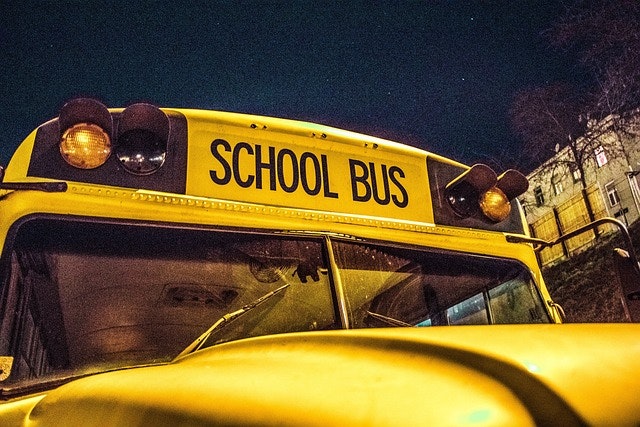
School buses are essential for student transportation, but they require drivers to follow specific safety rules. One of the most important guidelines is maintaining a safe distance. The 10-foot area surrounding a school bus is especially dangerous, as children often cross directly in front of or behind the bus.
Leaving additional space gives drivers time to respond when a bus slows or stops. Kids may cross unpredictably or appear suddenly from blind spots, making patience and attentiveness crucial. Preparing to stop whenever a bus activates its signals can prevent serious incidents.
Sharing the Road With Pedestrians and Young Cyclists
With more children walking and biking to school, drivers must stay alert in neighborhoods and school zones. Always come to a complete stop for pedestrians using crosswalks, and never pass a vehicle that has stopped for someone crossing the street. This simple habit protects people who may not be fully visible to approaching cars.
Children on bicycles can behave unpredictably, sometimes emerging from driveways or darting into the street. Drivers should slow down when bikes are present and remain attentive to their surroundings. Keeping an eye out for sudden movements can help prevent collisions.
Even everyday actions like opening a parked car door can create hazards. Taking a moment to check mirrors and look for cyclists before exiting a vehicle adds an extra layer of protection. These small steps help ensure safer interactions between drivers and young riders.
Improving Safety in School Drop-Off and Pick-Up Zones
Drop-off and pick-up areas around schools tend to be some of the most hectic locations during the school year. Following each school's designated procedures is one of the best ways to help maintain an orderly traffic flow and reduce risk.
Consistency plays a major role in these zones. When drivers follow predictable patterns, it becomes easier for everyone to understand and anticipate what will happen next. Avoiding unsafe behaviors like stopping in unauthorized areas or blocking traffic helps create a safer space for students and families.
Parents and caregivers also contribute significantly to safety. Taking a few additional minutes to follow proper procedures helps ensure a smoother and safer experience for everyone involved.
Helping Children Build Safe Road Habits
While adults carry much of the responsibility on the road, teaching children safe behaviors is equally important. Younger children—especially those under age 10—should not approach busy streets without supervision. They benefit greatly from consistent reminders and guidance.
Simple habits such as stopping, looking both ways, and listening for approaching vehicles make a big difference. Encouraging kids to use crosswalks helps keep them visible and reinforces responsible behavior.
Safety gear matters as well. Helmets, kneepads, and other protective equipment help reduce injury risks when riding bikes or scooters. Reducing distractions, including limiting screen use near roads, allows children to stay focused on their surroundings.
Instilling these habits early helps protect children now while also preparing them to be responsible road users in the future.
Working Together for Safer Community Roads
Reducing risk during the back-to-school season depends on shared responsibility. Parents, drivers, bus operators, and students all contribute to building a safer environment. Staying alert, obeying traffic laws, and paying attention to others on the road can significantly lower the chances of accidents.
Small, consistent efforts—like slowing down in school zones or watching carefully for pedestrians—add up. These simple actions reflect a community-wide commitment to protecting children and other vulnerable individuals.
As routines shift and traffic increases, taking a proactive approach to road safety becomes increasingly important. Awareness and thoughtful decision-making help prevent avoidable risks.
Preparing for a Safe Start to the School Year
The back-to-school season doesn’t have to bring added danger. With attentiveness and proper precautions, families and drivers alike can navigate this busy time with confidence. Understanding the risks and making intentional choices about safety are key to ensuring a smooth return to school.
If you have questions about traffic safety, liability concerns, or ways to protect your family, guidance from a professional can be extremely helpful. Reach out to our team at DM Vasquez Insurance Agency for support and resources that help keep your household informed and prepared throughout the school year.